

Insurers holding large annuity portfolios often face significant capital constraints that limit growth. American Reinsurance provides specialized block reinsurance and capital relief structures designed to unlock trapped capital. This guide explains how strategic reinsurance partners can optimize your balance sheet. We cover coinsurance, modified coinsurance, and sidecar vehicles to help you achieve financial flexibility.
Annuity Block Reinsurance
Annuity block reinsurance is a transaction where an insurer transfers a specific portfolio of in-force annuity contracts to a reinsurer. This process allows the ceding company to remove liabilities from its balance sheet. The primary goal is to release regulatory capital that was previously held against these long-duration obligations. By transferring the block, the insurer can improve its risk-based capital ratio. This improvement enables the company to write new business without increasing its capital base. It is a strategic tool for companies looking to optimize their financial position. For additional details, review the Contact us 8211 American.
Why Annuity Blocks Require Specialized Handling
Annuity liabilities are complex due to their long duration and interest rate sensitivity. Standard reinsurance treaties often do not address these specific risks effectively. A block transfer requires a detailed analysis of the portfolio's cash flows. The reinsurer must assume the full economic risk of the liabilities. This includes mortality, lapse, and investment risks. The transaction must be structured to meet regulatory requirements for full risk transfer. Without proper risk transfer, the capital relief may be denied by regulators. Therefore, the structuring of the deal is critical to its success. For additional details, review the Terms of services 8211.
The Role of American Reinsurance
American Reinsurance specializes in these complex, long-duration liabilities. We focus on asset-intensive and capital-intensive business. Our approach is not template-based. We build bespoke solutions tailored to your specific capital objectives. We understand the nuances of fixed and indexed annuities. Our team brings precision pricing driven by your data insights. This expertise ensures that the transaction delivers real value to your balance sheet.
Coinsurance Arrangements
Coinsurance is a reinsurance arrangement where the reinsurer assumes a specific percentage of the insurer's liabilities. In a full coinsurance deal, the reinsurer takes 100% of the risk. In a partial coinsurance deal, the reinsurer takes a portion, such as 50% or 75%. The ceding company retains the remaining percentage. This structure allows the insurer to retain some control over the business. It also allows the insurer to keep a portion of the profits. Coinsurance is a common method for managing large annuity blocks.
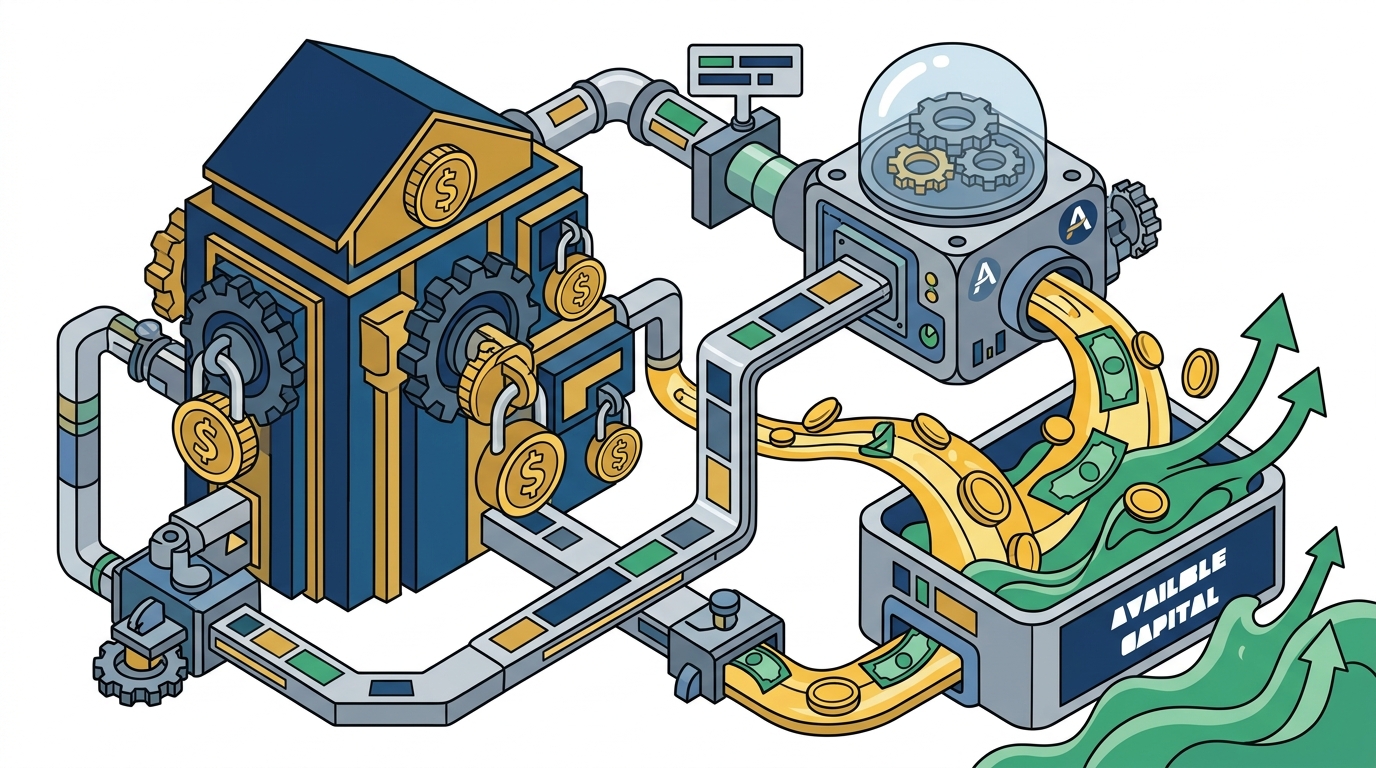
Full vs. Partial Coinsurance
Full coinsurance transfers the entire liability to the reinsurer. The ceding company receives a premium and releases the capital. The reinsurer takes full responsibility for the policyholders. Partial coinsurance allows the ceding company to retain a stake in the portfolio. This can be beneficial if the insurer wants to maintain a relationship with the policyholders. It also allows the insurer to benefit from future investment returns on the retained portion. The choice between full and partial depends on the insurer's strategic goals.
Regulatory Implications of Coinsurance
Regulators scrutinize coinsurance deals to ensure genuine risk transfer. The deal must meet specific accounting and regulatory standards. If the deal is not structured correctly, it may be treated as a financing transaction. This would not provide the desired capital relief. The reinsurer must have the financial strength to support the liabilities. The ceding company must ensure that the reinsurer is authorized in the relevant jurisdiction. Proper documentation is essential to demonstrate risk transfer to regulators.
Capital Relief Structures
Types of Capital Relief
There are several types of capital relief structures available to insurers. Reinsurance is the most common method. It involves transferring risk to a third party. Securitization involves packaging the liabilities into a security and selling it to investors. Asset sales involve selling the assets backing the liabilities. Each method has its own advantages and disadvantages. The choice of structure depends on the insurer's specific situation. A combination of methods may be used to achieve the desired result.
Measuring the Impact of Capital Relief
The impact of capital relief is measured by the change in the insurer's capital ratio. The ratio is calculated by dividing the insurer's capital by its risk-based capital requirement. A higher ratio indicates a stronger financial position. The goal of capital relief is to increase this ratio. The increase in the ratio allows the insurer to write more business. It also improves the insurer's credit rating. A higher credit rating can lower the cost of borrowing. This creates a positive feedback loop for the insurer's financial health.
Reinsurer Counterparties
A reinsurer counterparty is the entity that assumes the risk from the ceding insurer. The choice of counterparty is critical to the success of the transaction. The counterparty must have the financial strength to support the liabilities. It must also have the expertise to manage the risks. The counterparty's credit rating is a key factor in the decision. A highly rated counterparty provides greater security for the ceding insurer. The counterparty's track record in similar transactions is also important.
Evaluating Counterparty Strength
Evaluating a counterparty's strength involves analyzing its financial statements. The ceding insurer should review the counterparty's capital and surplus. It should also review the counterparty's investment portfolio. The counterparty's underwriting discipline is another important factor. A disciplined underwriter is less likely to take on excessive risk. The counterparty's regulatory standing is also crucial. It must be authorized to operate in the relevant jurisdictions. A thorough due diligence process is essential to select the right counterparty.
Why American Reinsurance is a Strategic Partner
American Reinsurance is a strategic partner for insurers navigating capital-intensive markets. We are recognized for innovation, discipline, and long-term alignment. Our mission is to enable insurers to thrive through precision reinsurance. We bring clarity to compliance in multiple jurisdictions. Our responsive team provides direct access to decision-makers. We do not rely on templates. We build reinsurance around your objectives. This approach ensures that the solution fits your specific needs.
Modified Coinsurance
Modified coinsurance is a reinsurance structure that combines elements of coinsurance and other reinsurance types. It allows the ceding company to retain certain rights or responsibilities. For example, the ceding company may retain the right to collect premiums. It may also retain the responsibility for policyholder service. The reinsurer assumes the economic risk of the liabilities. This structure provides flexibility in the transaction. It allows the parties to tailor the deal to their specific needs. Modified coinsurance is a popular choice for annuity block transfers.
Key Features of Modified Coinsurance
Benefits for Annuity Carriers
Modified coinsurance offers several benefits for annuity carriers. It allows them to release capital while retaining some control. It also allows them to maintain their relationship with policyholders. This can be important for brand reputation. The structure can be tailored to meet specific regulatory requirements. It can also be tailored to meet specific accounting requirements. This flexibility makes it a powerful tool for capital optimization.
Sidecar SPVs
A sidecar SPV is a special purpose vehicle that allows investors to invest in a specific portfolio of insurance liabilities. The SPV is a separate legal entity. It is created for the purpose of holding the liabilities. Investors provide capital to the SPV in exchange for a share of the profits. The SPV then uses the capital to support the liabilities. This structure allows the insurer to access external capital. It also allows the insurer to transfer the risk to the investors. Sidecar SPVs are a growing trend in the reinsurance market.
How Sidecar SPVs Work
The process of setting up a sidecar SPV involves several steps. First, the insurer selects the portfolio of liabilities to transfer. Next, it creates the SPV. The SPV is then capitalized by investors. The insurer transfers the liabilities to the SPV. The SPV assumes the risk of the liabilities. The investors receive a share of the profits generated by the liabilities. The structure is designed to provide a return to the investors. It also provides capital relief to the insurer.
Advantages of Sidecar SPVs
Comparison of Capital Relief Structures
| Structure | Risk Transfer | Capital Relief | Complexity | Best For |
|---|---|---|---|---|
| Full Coinsurance | 100% | High | Medium | Complete balance sheet cleanup |
| Partial Coinsurance | Partial | Medium | Medium | Retaining some control |
| Modified Coinsurance | Full Economic | High | High | Retaining policyholder service |
| Sidecar SPV | Full | High | High | Accessing external capital |
Key Takeaways
- Annuity block reinsurance is a powerful tool for releasing trapped capital.
- Coinsurance allows insurers to transfer a specific percentage of liabilities.
- Capital relief structures improve risk-based capital ratios.
- The choice of reinsurer counterparty is critical to transaction success.
- Sidecar SPVs provide access to external capital from investors.
- Regulatory approval requires demonstrating genuine risk transfer.
- American Reinsurance provides bespoke solutions for complex annuity liabilities.
Frequently Asked Questions
What is the primary benefit of annuity block reinsurance?
The primary benefit is the release of regulatory capital. This allows the insurer to write new business or pay dividends.
How does coinsurance differ from modified coinsurance?
Coinsurance transfers a percentage of the liability. Modified coinsurance allows the ceding company to retain certain rights, such as policyholder service.
What is a sidecar SPV?
A sidecar SPV is a special purpose vehicle that allows investors to invest in a specific portfolio of insurance liabilities.
Why is counterparty strength important?
Counterparty strength ensures that the reinsurer can support the liabilities. It reduces the risk of default.
How long does a block reinsurance transaction take?
The timeline varies depending on the complexity of the deal. It can take several months to complete.
Can American Reinsurance help with regulatory compliance?
Yes, we bring clarity to compliance in multiple jurisdictions. Our team has deep regulatory expertise.