

Life insurance carriers operating in asset-intensive markets face unprecedented pressure to optimize balance sheets while maintaining regulatory compliance. According to recent industry reports, over 60 percent of major life insurers are actively restructuring their capital efficiency strategies to navigate volatile interest rate environments. Capital-backed reinsurance has emerged as the primary mechanism for achieving this stability without sacrificing growth potential. This guide details the strategic implementation of these solutions, focusing on flow, block, and bespoke structures tailored for long-term resilience. (About us 8211 American)
Understanding Capital-Backed Reinsurance
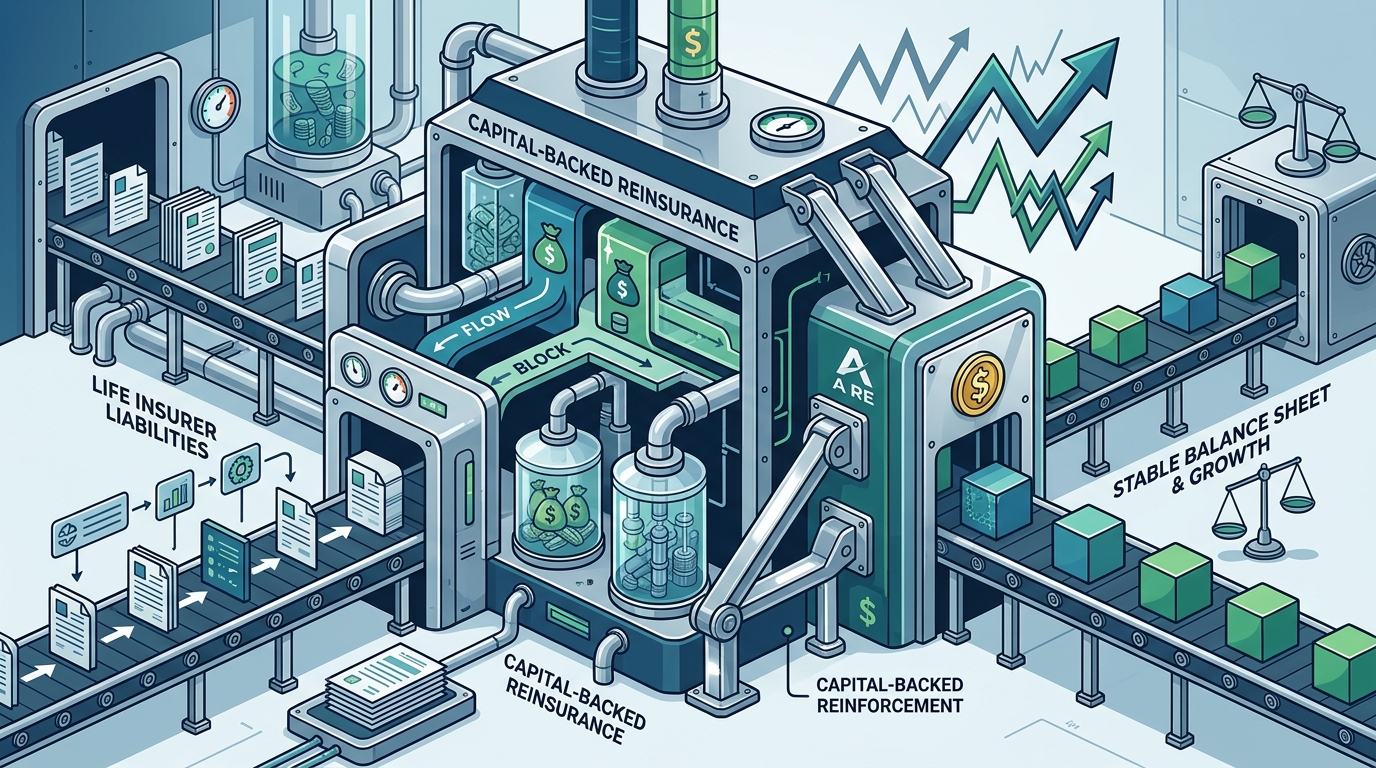
Capital-backed reinsurance is a strategic financial arrangement where a reinsurer provides capital support to an insurer, allowing the primary carrier to release surplus and optimize its risk profile. Unlike traditional indemnity reinsurance, which primarily transfers risk, capital-backed solutions focus on enhancing the insurer's balance sheet strength and regulatory capital ratios. This approach is particularly critical for life and annuity carriers managing long-duration liabilities.
The core value proposition lies in the alignment of interests. Reinsurers with strong capital bases, such as those operating under the Cayman Islands regulatory framework, offer disciplined underwriting and transparent pricing. This transparency ensures that the primary insurer retains full control over its strategic direction while gaining access to patient, long-term capital. The result is a partnership that supports growth through market cycles, rather than merely providing short-term relief. (American Reinsurance)
Implementing these solutions requires a deep understanding of the insurer's specific capital objectives. Whether the goal is to support new business issuance, manage reserve growth, or unlock capital from legacy portfolios, the structure must be bespoke. There are no templates in this space. Every program is built from first principles, leveraging data-driven analysis to ensure that the reinsurance structure aligns with the insurer's investment strategy and regulatory requirements.
Strategic Implementation Framework
Successfully implementing capital-backed reinsurance begins with a rigorous assessment of the insurer's current capital position and future growth ambitions. The first step is to identify the specific pain points in the balance sheet. Are you facing surplus constraints due to rapid annuity growth? Is legacy block performance dragging down overall capital efficiency? These questions dictate the structural approach.
Step 1: Data-Driven Risk Assessment
Before engaging with reinsurers, internal teams must conduct a comprehensive audit of their risk exposures. This involves analyzing asset-liability matching, interest rate sensitivity, and mortality/morbidity trends. Data-driven analysis is not a shortcut; it is the foundation of any successful reinsurance transaction. By leveraging analytics, insurers can present a clear, transparent view of their portfolio to potential partners, facilitating faster and more accurate pricing.
Step 2: Partner Selection and Alignment
Choosing the right reinsurance partner is as critical as the structure itself. Look for partners who demonstrate deep expertise in actuarial science and capital markets. A partner with a global perspective, familiar with regulatory regimes across key markets like NAIC, Solvency II, and APAC frameworks, can provide invaluable guidance. The relationship should be collaborative by design, with the reinsurer acting as an extension of your team.
Step 3: Structural Design and Negotiation
Once a partner is selected, the focus shifts to structuring the deal. This involves defining the capital relief targets, pricing mechanisms, and performance metrics. The structure must be flexible enough to accommodate changes in the market environment while providing the stability needed for long-term planning. Negotiations should prioritize transparency and control, ensuring that the insurer remains in the driver's seat.
Flow vs. Block Reinsurance Solutions
Reinsurance solutions for life insurers generally fall into two primary categories: flow and block. Each serves a distinct strategic purpose and requires a different implementation approach. Understanding the nuances of each is essential for optimizing capital efficiency.
| Feature | Flow Reinsurance | Block Reinsurance |
|---|---|---|
| Primary Objective | Support new business growth and manage reserve accumulation. | Release capital from legacy liabilities and optimize balance sheets. |
| Target Portfolio | Fixed and indexed annuities, PRT, and similar ongoing products. | Closed blocks, runoff portfolios, or acquired business. |
| Capital Impact | Provides consistent capacity for new issuance and surplus relief. | Unlocks trapped capital and enhances financial flexibility. |
| Strategic Fit | Ideal for insurers focused on aggressive market expansion. | Ideal for insurers undergoing restructuring or M&A activities. |
Flow Reinsurance for Growth
Flow reinsurance is designed for scalability. It provides ongoing capacity for new business, allowing insurers to grow their annuity or life insurance lines without proportionally increasing their capital reserves. This structure is particularly effective for managing the reserve growth associated with fixed and indexed annuities. By transferring a portion of the liability to the reinsurer, the primary carrier can maintain balance sheet strength and ratings stability while continuing to write new business.
The key to successful flow reinsurance is integration. The structure must seamlessly align with the insurer's new issuance processes, allowing for efficient surplus relief and liability transfer. This requires a partner who understands the nuances of product design and can offer precision pricing based on specific data insights.
Block Reinsurance for Optimization
Block reinsurance addresses the challenges of legacy portfolios. Whether driven by corporate restructuring, capital optimization, or M&A strategy, block transactions are designed to release capital from in-force liabilities. This can be achieved through reserve relief, capital unlocking, or tailored structures that fit specific accounting and tax strategies.
Block reinsurance is particularly valuable for insurers looking to simplify their operations or divest certain lines of business. By transferring the risk and liability of a closed block to a reinsurer, the insurer can focus on its core competencies while improving its overall capital efficiency. The transaction must be structured with full transparency and regulatory integrity to ensure long-term stability.
Regulatory and Compliance Considerations
Implementing capital-backed reinsurance solutions requires navigating a complex regulatory landscape. Insurers must ensure that their reinsurance structures comply with local and international regulatory requirements. This includes adhering to NAIC standards in the United States, Solvency II in Europe, and APAC frameworks in the Asia-Pacific region.
Regulatory expertise is a critical component of any reinsurance partnership. A knowledgeable partner can help insurers anticipate and respond to regulatory changes, ensuring that their capital structures remain compliant and efficient. This forward-looking insight is essential for positioning ahead of interest rate and accounting changes that could impact capital requirements.
Transparency is also a key regulatory requirement. Reinsurers must provide clear, accurate reporting on the performance of the reinsurance program. This transparency not only satisfies regulatory obligations but also builds trust between the insurer and the reinsurer. It ensures that the insurer retains full control over its strategic decisions while benefiting from the reinsurer's capital support.
Key Takeaways
- Capital Efficiency is Paramount: Reinsurance is no longer just about risk transfer; it is a strategic tool for optimizing balance sheets and supporting growth.
- Bespoke Structures Win: One-size-fits-all solutions do not work in capital-intensive markets. Every program must be tailored to the insurer's specific capital objectives and regulatory environment.
- Data-Driven Analysis is Essential: Successful implementation relies on rigorous data analysis to identify risks, price structures, and measure performance.
- Partnership Over Transaction: Long-term alignment with a reinsurer who shares your goals is more valuable than short-term pricing advantages.
- Regulatory Agility Matters: Partners with global regulatory expertise can help insurers navigate complex compliance landscapes across multiple jurisdictions.
- Transparency Builds Trust: Clear pricing and reporting structures are critical for maintaining control and confidence in the reinsurance relationship.
- Strategic Foresight is Key: Anticipating market shifts and regulatory changes allows insurers to position themselves ahead of the curve.
Frequently Asked Questions
What is the primary benefit of capital-backed reinsurance for life insurers?
The primary benefit is the ability to optimize capital efficiency while maintaining growth potential. By releasing surplus capital, insurers can support new business issuance, manage legacy liabilities, and enhance their overall financial flexibility without compromising regulatory compliance.
How does flow reinsurance differ from block reinsurance?
Flow reinsurance provides ongoing capacity for new business, helping insurers manage reserve growth and support new product issuance. Block reinsurance, on the other hand, focuses on releasing capital from legacy or in-force portfolios, often through the transfer of closed blocks or runoff liabilities.
Why is data-driven analysis critical in reinsurance structuring?
Data-driven analysis allows for precise pricing and risk assessment. By leveraging analytics, insurers and reinsurers can build structures from first principles, ensuring that the solution aligns with the insurer's specific capital objectives and risk appetite, rather than relying on generic templates.
What regulatory frameworks do capital-backed reinsurers typically navigate?
Capital-backed reinsurers often operate across multiple jurisdictions, including NAIC standards in the US, Solvency II in Europe, and APAC frameworks. Expertise in these regimes is essential for ensuring compliance and optimizing capital treatment across different markets.
How can insurers ensure transparency in reinsurance partnerships?
Transparency is achieved through clear contractual terms, regular performance reporting, and open communication. Insurers should prioritize partners who demonstrate a commitment to disciplined execution and provide full visibility into the reinsurance structure and pricing mechanisms.
Is capital-backed reinsurance suitable for all life insurers?
While beneficial for many, it is particularly suited for asset-intensive insurers managing complex, long-duration liabilities. Insurers with significant annuity portfolios or those undergoing strategic restructuring often find the most value in these tailored capital solutions.
What role does the reinsurer play in regulatory compliance?
A knowledgeable reinsurer provides clarity to compliance by helping insurers navigate complex regulatory requirements. They offer forward-looking insight on potential changes in interest rates, accounting standards, and regulatory capital rules, allowing insurers to adjust their strategies proactively.
Partner with American Reinsurance for Long-Term Capital Efficiency
Implementing capital-backed reinsurance solutions requires more than just financial strength; it demands a partner who understands your unique challenges and goals. At American Reinsurance, we combine capital strength, regulatory acumen, and strategic alignment to help insurers grow with confidence in evolving markets. We don't rely on templates. We build reinsurance around your objectives.
Whether you are looking to support new business growth through flow reinsurance, optimize legacy portfolios with block solutions, or create bespoke structures for complex liabilities, our team is ready to assist. We offer tailored solutions designed to deliver long-term capital efficiency and resilience.
Contact our team today to discuss a capital-efficient, custom-fit solution for your business. Let us help you navigate complexity and build a more resilient future for your insurer.